
Adaptive Waterproofing for Long-Term Building Performance
by Karsten Ellima | April 14, 2026
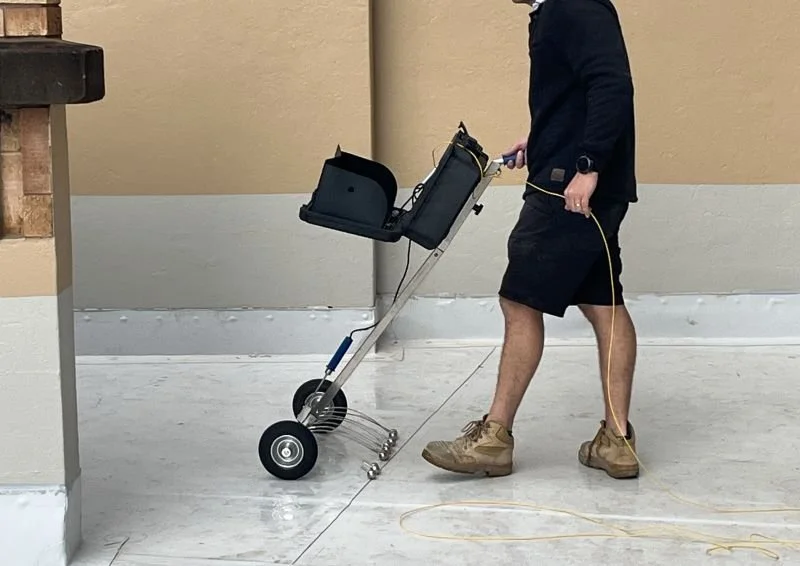
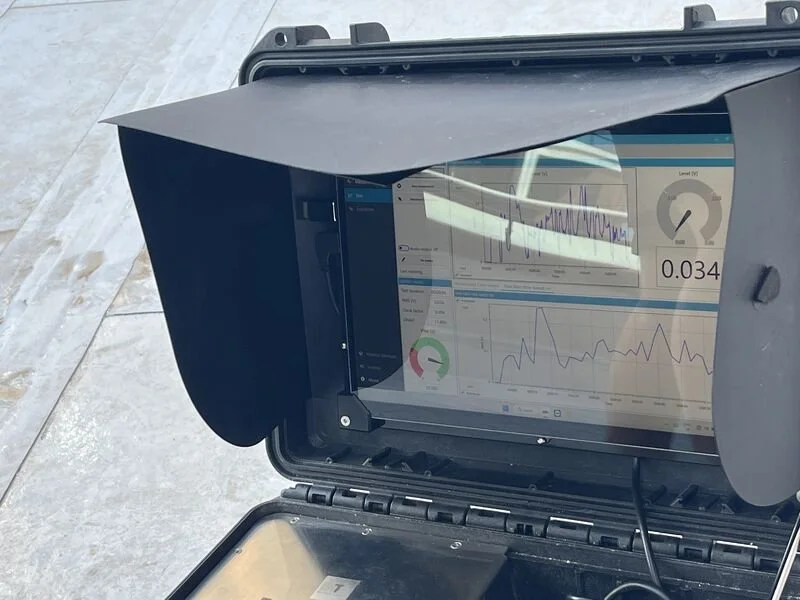
A large share of remedial building work still comes back to waterproofing failure. For asset owners, the cost is often significant, not only in repairs, but in disruption, repeat defects and reduced asset reliability.
The same thinking should apply in both remediation and new-build design: not just how a system performs today, but how it can be accessed, maintained and upgraded over time.
Maintainability also plays an important role in making future works more targeted. When systems are designed with access, staging and replacement in mind, localised repairs become far more achievable, avoiding unnecessary wholesale replacement and reducing cost, waste and disruption. Much like a car, a building will only reach its full serviceable life if key elements can be accessed, maintained and renewed as needed.
Existing buildings bring legacy conditions and difficult interfaces. New buildings carry the risk of embedding inaccessible details and future defects if maintainability is not considered early.
Current regulations say very little about maintainability. As a result, many necessary upgrades become costly, invasive or difficult to deliver. Better design means thinking beyond compliance and toward long-term serviceability. The most sustainable building is often the one already built, provided it can be maintained properly.
If you’re interested in learning more, please reach out to the Ironbridge Engineering team.