
Scan-to-BIM for existing and heritage structures
by Karsten Ellima | May 14, 2026
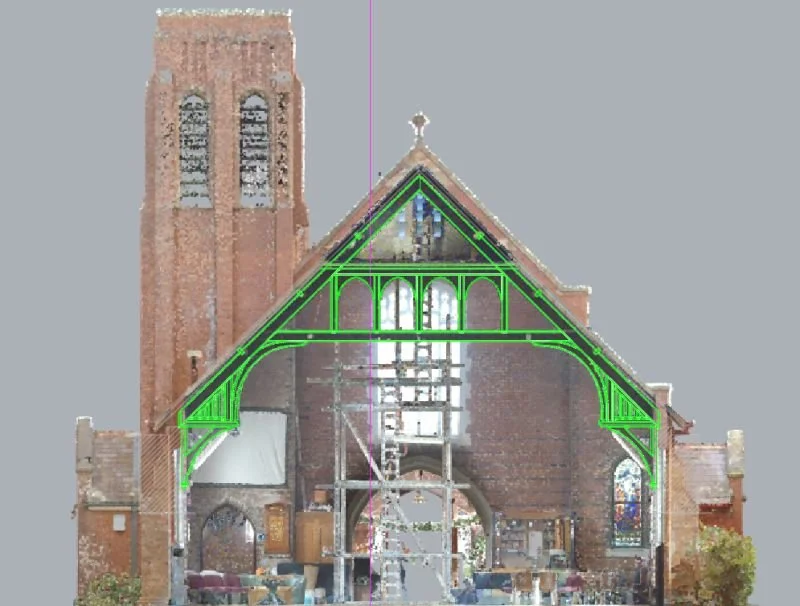
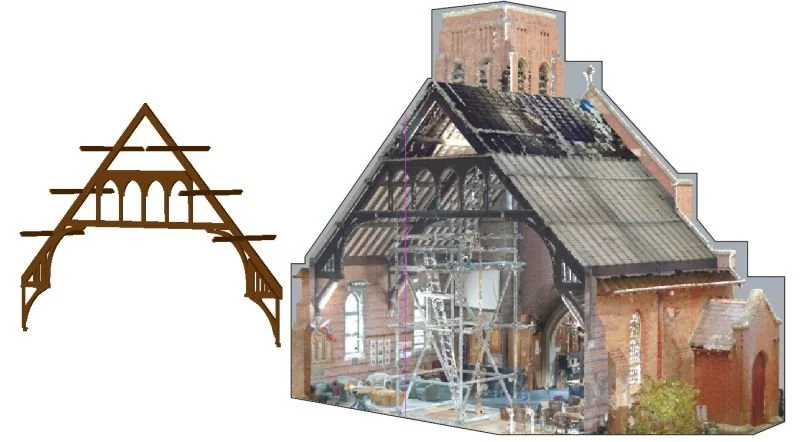
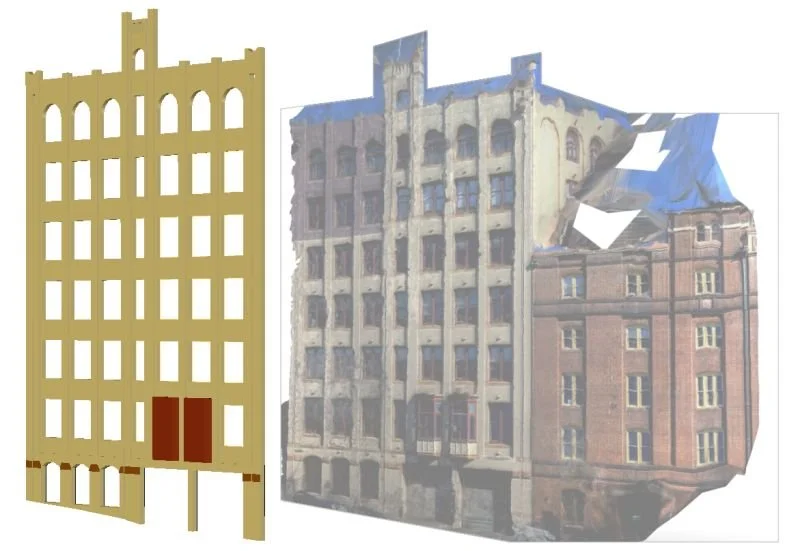
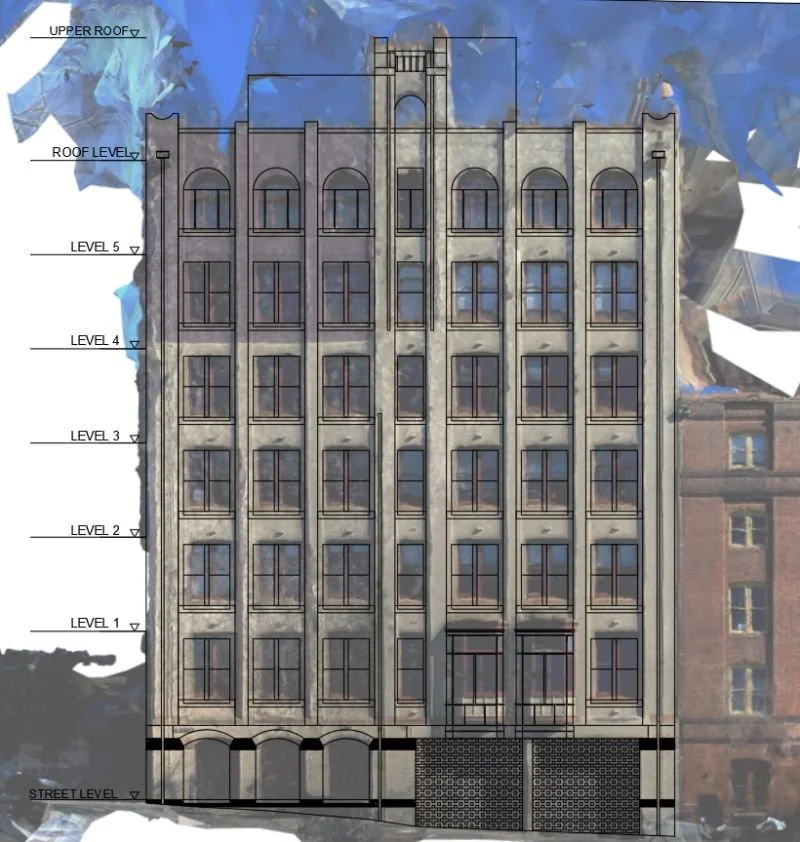
Existing and heritage structures rarely reflect original drawings with precision. Years of modifications, undocumented works, construction tolerances, and material movement can all influence the accuracy of available information. For remediation and adaptive reuse projects, reliable as-built data becomes critical to effective engineering and coordination.
The use of photogrammetry, laser scanning, point cloud data and targeted site verification supports practical Scan-to-BIM workflows across existing buildings and heritage structures, enabling the development of coordinated engineering deliverables, accurate 2D as-built documentation, 3D models and project-specific records.
The objective is not to create unnecessarily complex digital models, but to develop dependable information that supports engineering decisions, coordination, and construction planning.
Model development is applied selectively depending on project requirements. LOD 200 is generally suitable for overall geometry and spatial understanding during early coordination. LOD 300 is commonly adopted for accurate as-built geometry and primary structural or facade elements to support assessment and remediation design. In areas where interface and installation tolerances are particularly important, selected portions may be further refined to LOD 350 to improve coordination.
This approach helps reduce uncertainty during design development, improve coordination among consultants, contractors, and fabricators, and provide a more reliable basis for remediation and construction planning. More importantly, it helps ensure that engineering decisions are informed by verified site conditions rather than assumptions derived from incomplete or outdated documentation.
If you’re interested in learning more, please reach out to the Ironbridge Engineering team.