
Design Considerations for Warm Edge Spacers
by Shivani Amin | May 21, 2026

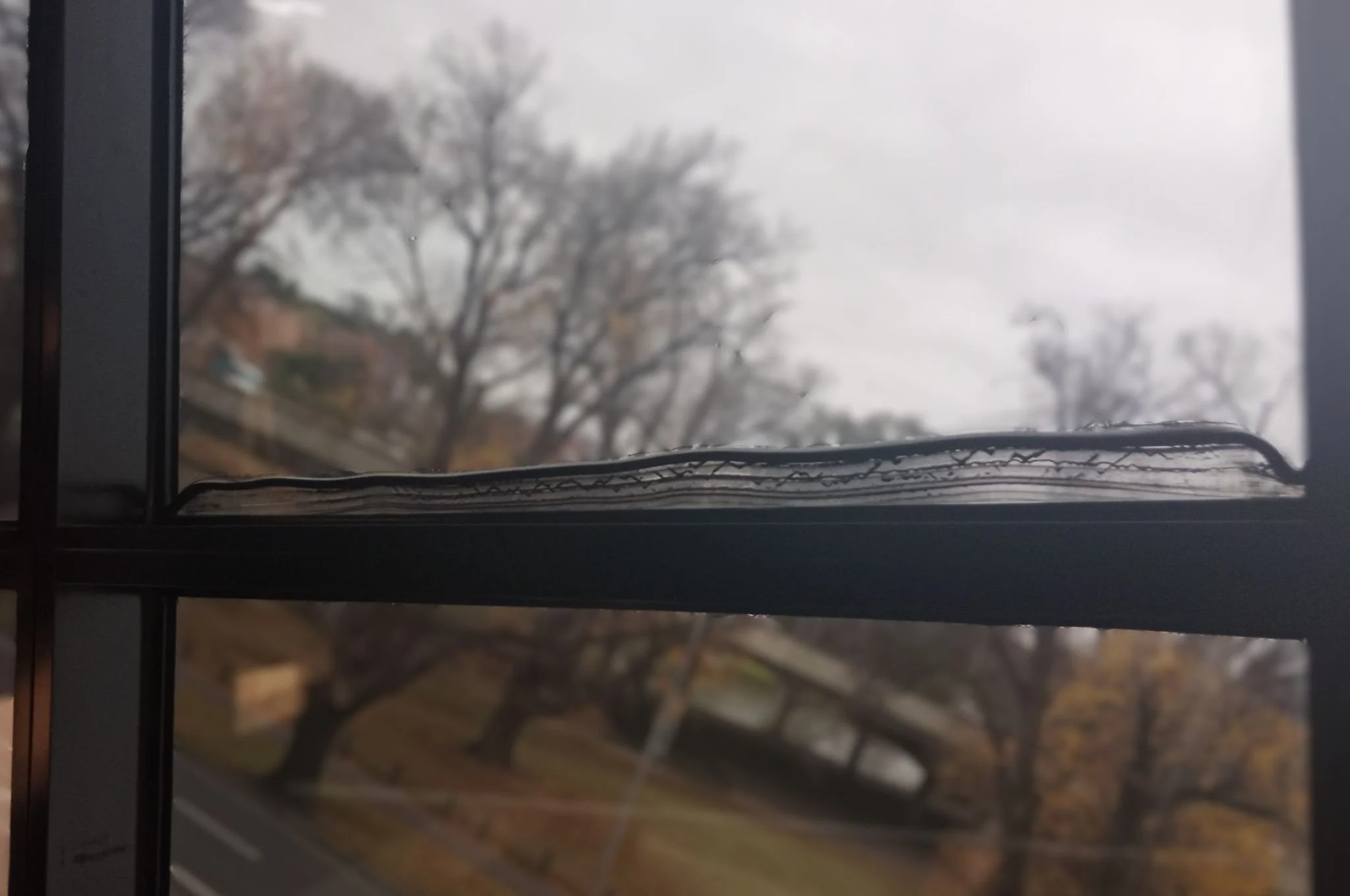
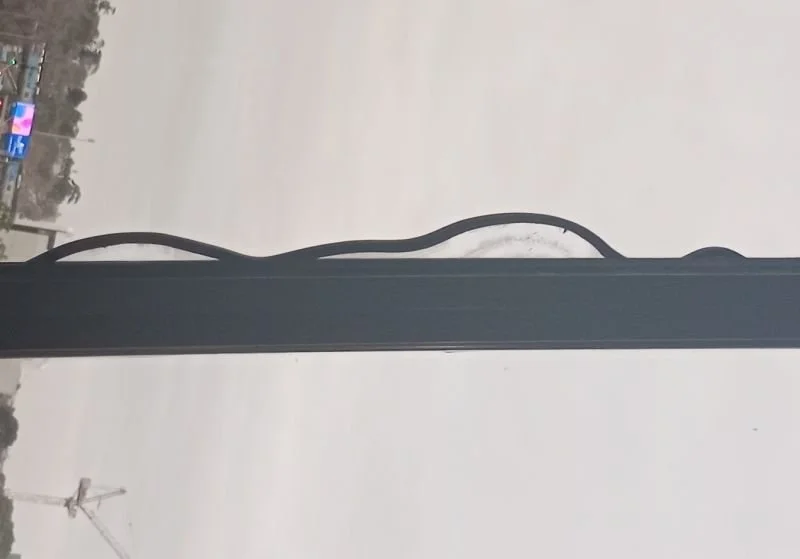
Double-glazed units (DGUs) have traditionally been manufactured using aluminium spacer bars, which remain widely used today. However, aluminium is highly conductive and can contribute to thermal bridging at the perimeter of the DGU.
To address this, “warm edge” spacer systems are increasingly being adopted in modern glazing construction. Warm edge spacers reduce heat transfer around the edge of the insulated glass unit, helping to improve internal glass surface temperatures, enhance thermal performance, and reduce the risk of condensation.
Despite these benefits, warm-edge spacer systems, particularly thermoplastic spacer systems (TPS), require careful consideration within the overall glazing and facade system design. Inadequate consideration of the detailing can increase the risk of TPS failure.
An example of this was identified during a facade audit, where TPS exhibited failure across multiple elevations of a building envelope. The TPS had pulled away from the DGU and was highly visible.
When specifying thermoplastic spacer (TPS) systems, the following factors require explicit attention:
-Compatibility of the TPS with:
-DGU primary and secondary perimeter seals
-Glass coatings and edge deletion requirements
-Structural glazing silicones where applicable
-Adequate edge cover and glazing pocket design to protect the TPS from prolonged UV exposure
-Avoidance of plasticiser-containing glazing packers, setting blocks, or adjacent materials that may chemically interact with the spacer or sealants
-Thermal movement and differential expansion between the TPS, glass, frame, and sealants
-Moisture and vapour management within the glazing rebate to avoid long-term degradation
-Manufacturer specific fabrication requirements, as TPS systems can be less tolerant of processing variations than conventional aluminium spacers
-Suitability for project-specific conditions, particularly:
-High solar exposure facades
-Structural silicone glazing applications
-Large glazing panels
-Coastal or high-humidity environments
Addressing these points at design stage prevents premature failures and preserves the thermal benefits warm-edge systems are intended to deliver. If you are specifying or auditing facades with TPS, the Ironbridge Engineering team can provide project-specific guidance.