
Retrofit Strategies for Ageing Facade Curtain Wall System
by Rajeesh Balan | May 26, 2026
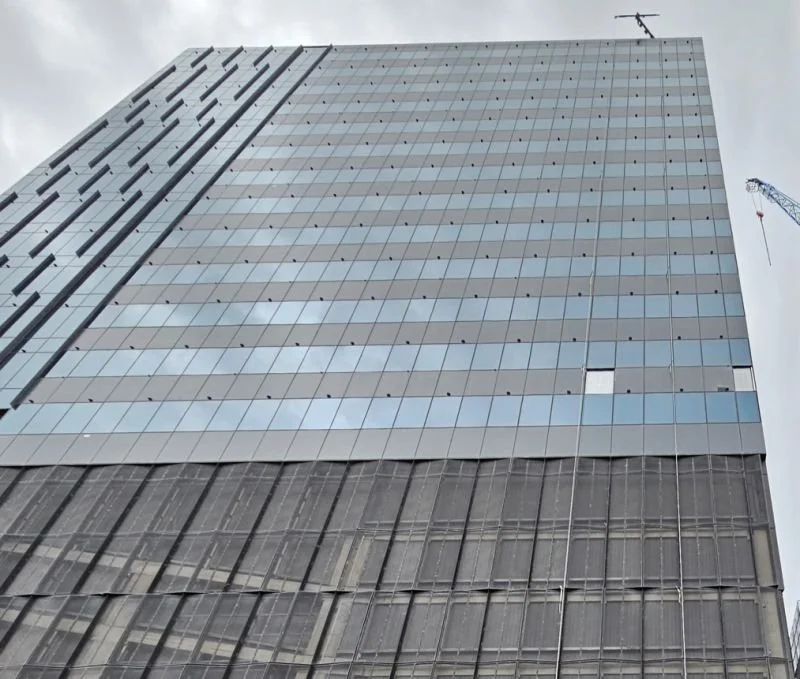
Ageing curtain wall systems are a common challenge across existing buildings in current scenario, often showing signs of degradation, sealant failure, water ingress, air leakage, and reduced thermal performance. Rather than full facade replacement, which can be costly and highly disruptive, targeted retrofit strategies provide a practical and efficient alternative to restore performance and extend service life.
A well-planned retrofit begins with a detailed condition assessment, identifying key issues such as degraded joints, failed glazing units, inadequate drainage, and thermal bridging. Based on these findings, focused interventions can be implemented, including sealant and gasket replacement, upgrading glazed units (DGU) where feasible, improving drainage pathways, and introducing thermal breaks where feasible. These measures significantly enhance weatherproofing, energy efficiency, and occupant comfort.
Importantly, retrofit works can often be staged to minimise disruption to building operations, making them suitable for occupied buildings. Aligning upgrades with current compliance requirements and performance standards also reduces long-term risk and liability.
Curtain wall retrofitting offers a cost-effective approach to improving facade durability, reducing maintenance demands, and supporting smarter lifecycle asset management, without the need for complete system replacement.
If you are specifically looking for ageing facade curtain wall retrofit strategies or related facade remedial programmes, the Ironbridge Engineering team can provide end-to-end, project-specific guidance, including condition assessments, compliance reviews, staged remediation planning, and cost-effective upgrade solutions designed to extend asset life while minimising disruption to building operations.