
Evidence-Based Diagnostics: Better Data, Better Decisions
by Vincent Wong | April 23, 2026
Better diagnostics mean better decisions!
Diagnostic testing gets to the 'why' behind defects. Not just the symptoms. For buildings and infrastructure, that distinction matters. Without it, remedial works can be reactive, short-lived, or overly conservative. Which often means higher costs in the long-term.
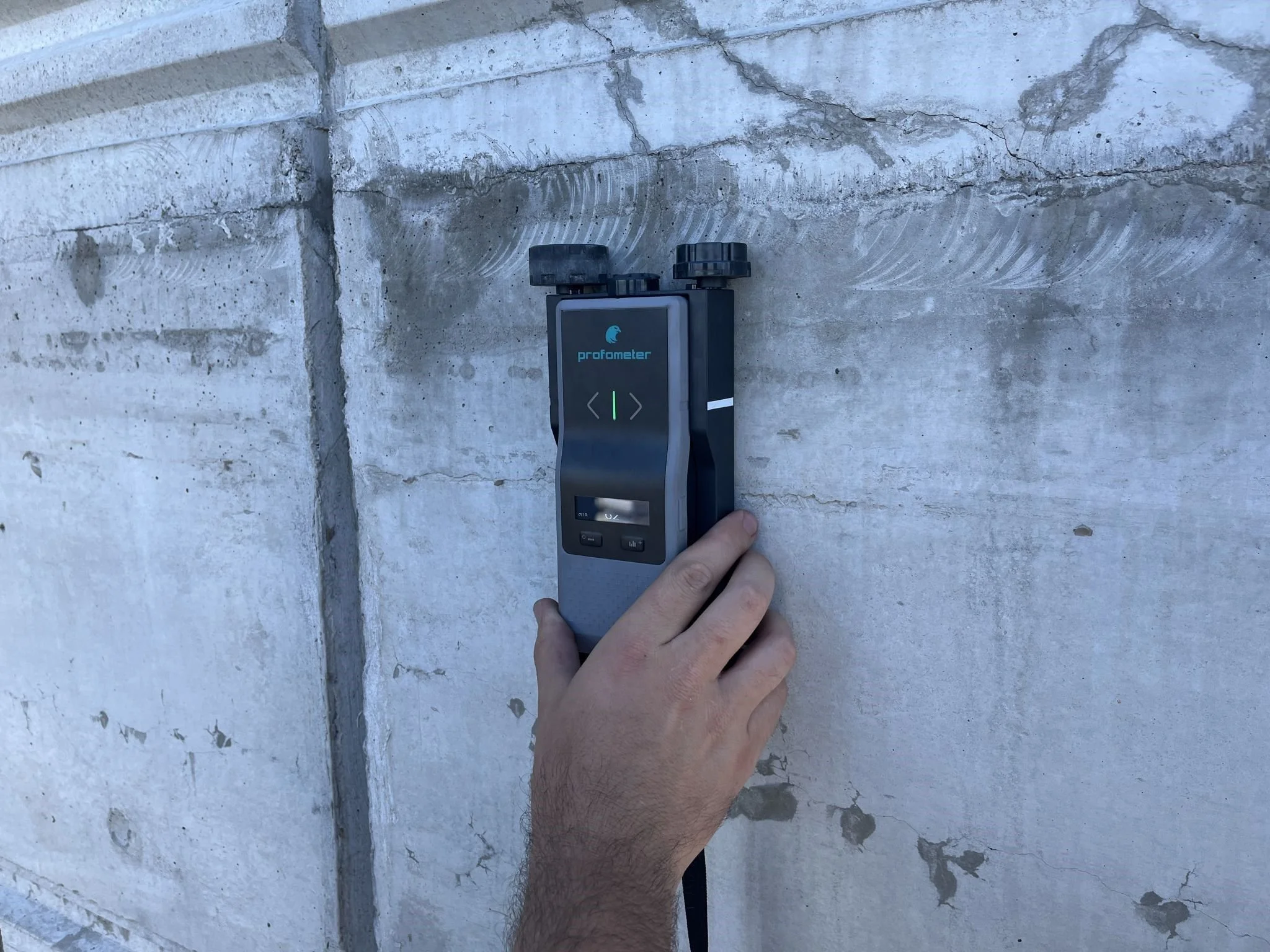
An evidence-based approach combines non-destructive testing (NDT) and destructive testing to replace guesswork with data. NDT methods like GPR scanning, cover meter surveys, and thermography quickly screen large areas and pinpoint issues without damage. These findings are then validated through targeted destructive testing, such as core sampling, to confirm material properties and deterioration mechanisms.
The result? Accurate causation analysis and more cost-effective, practical repairs. Instead of blanket solutions, interventions are tailored to actual conditions.
For example:
1. Carbonation and chloride testing can predict corrosion risk and remaining service life in concrete.
2. Ground penetrating radar (GPR) helps refine structural investigations and avoid unnecessary demolition.
3. Moisture and salt analysis in masonry can distinguish between rising damp, ingress, or salt attack. Each requiring a different fix.
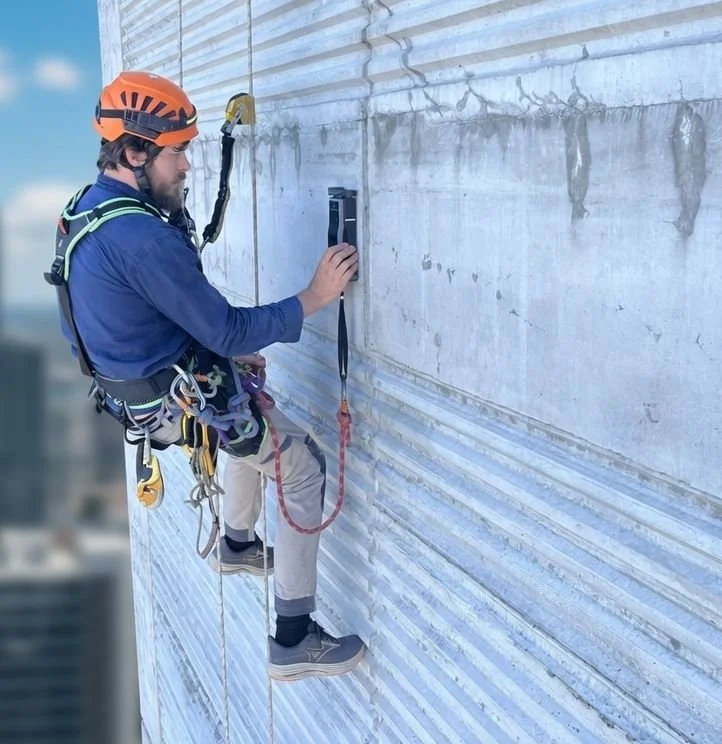
Access shouldn’t be a constraint. With Ironbridge’s rope access capability, we efficiently inspect and test facades and vertical elements. Ensuring a more complete and representative assessment.
Ultimately, better diagnostics lead to better decisions. If you want clarity on your asset and confidence in your remedial strategy, please reach out to the Ironbridge Engineering team.